

Beneath the Ballot Lies the Work of Conscience
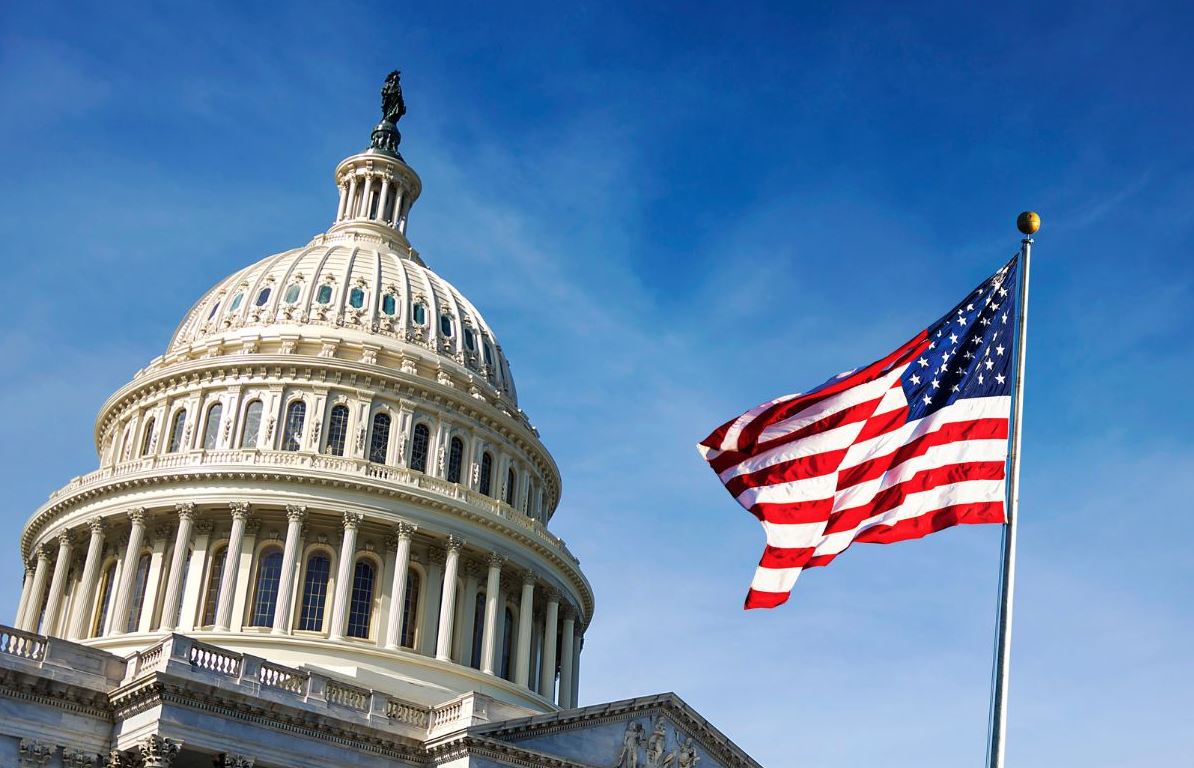
Reflecting on How Human Aspiration, Power, and Participation Shape the Living Soul of Democracy
The Invention of Shared Power
Democracy was not born from theory but from necessity, from the human need to restrain the power of the few and empower the voice of the many. Its invention marked a radical shift in how societies understood legitimacy. Power ceased to be a divine inheritance and became a shared responsibility. The earliest experiments were fragile, limited to small assemblies and privileged classes, yet the idea expanded across centuries, carried by revolutions and reforms that redefined the boundaries of belonging. Every democracy today stands as an evolving response to the same question: how can people govern themselves without falling prey to their own divisions? The invention of shared power was not the creation of a system but the beginning of a conversation about fairness, identity, and mutual accountability.
That conversation continues through every election, protest, and reform. The essence of democracy is not found in its constitutions but in the capacity of its citizens to reinvent it. Power, once dispersed, demands continuous negotiation. The collective imagination must stay awake, or else the mechanisms of democracy will harden into rituals devoid of meaning. Its invention, therefore, is never complete. It is rewritten in each generation by those who question who is represented, who is heard, and who remains invisible within the supposed equality of voice.
The Fragile Ecology of Participation
Participation is the lifeblood of democracy, yet it is also its most vulnerable element. When citizens grow indifferent, the machinery of representation begins to decay. Participation is more than casting votes; it is the daily habit of caring about the common good. This habit demands time, education, and emotional investment. In societies where economic struggle consumes attention, civic engagement often becomes a luxury. Yet without it, the balance between authority and accountability collapses. A disengaged populace leaves space for power to consolidate quietly under the guise of efficiency or expertise.
True participation requires that people believe their involvement matters. When institutions ignore citizen input or when corruption erodes faith in fairness, apathy spreads. Restoring participation means more than increasing voter turnout; it requires rebuilding dignity in the act of contribution. Public consultations, civic assemblies, and open platforms can revitalize engagement if they are genuine and inclusive. Democracy survives not by the brilliance of its leaders but by the willingness of its citizens to persist in imperfect dialogue. The ecology of participation is delicate, for once people stop believing their voices count, democracy begins to die long before it collapses on paper.
The Language of Representation
Representation is the mechanism through which democracy translates collective will into organized governance. Yet this translation is rarely precise. Representatives are chosen to speak for many, but they carry their own biases, ambitions, and blind spots. The language of representation is therefore filled with tension. How can a single voice embody the complexity of millions? How can legislation capture the subtlety of lived experience? This tension cannot be fully resolved; it must be managed through transparency and accountability. Citizens must have the means to question, challenge, and replace those who speak in their name. Without these feedback loops, representation turns into substitution, and the citizen becomes a spectator in their own government.
The health of representation depends on access and empathy. Systems that privilege money or status distort political equality. Leaders who listen selectively fracture trust. Technology, when used ethically, can expand the reach of representation by amplifying voices once excluded. But digital platforms also risk reducing dialogue to performance, where the appearance of listening replaces genuine responsiveness. A functioning democracy must evolve its language constantly, translating not only words into laws but feelings into understanding. Representation is less about agreement and more about connection, the capacity to bridge difference without erasing it.
The Tension Between Liberty and Order
Every democracy must balance two competing instincts: the desire for freedom and the need for stability. Liberty gives citizens space to think, protest, and innovate, while order provides the structure that keeps freedom from dissolving into chaos. When either overwhelms the other, democracy falters. Excessive control suffocates expression, but unrestrained freedom can fracture unity. The art of democratic governance lies in this balance, in maintaining an environment where disagreement strengthens rather than threatens cohesion. Laws and institutions provide boundaries, yet their legitimacy rests on the perception that they serve justice, not authority.
Modern democracies face new tests of this equilibrium. Surveillance justified by security, restrictions masked as moderation, and populist movements disguised as liberation all challenge the delicate relationship between liberty and order. Citizens must remain alert to how each trade-off alters the moral contract of democracy. True liberty requires discipline, and real order demands consent. The strength of a democracy is measured not by the absence of conflict but by the ability to transform conflict into conversation. When order protects freedom rather than restrains it, the system fulfills its promise of dignity without domination.
The Role of Memory in Democratic Survival
Memory functions as the conscience of democracy. Nations that forget their history become vulnerable to repetition of their worst mistakes. Collective memory reminds societies why freedom matters and what it costs to lose it. Memorials, archives, and education systems serve as vessels of this memory, but they must remain open to reinterpretation. When history is weaponized for political gain, it ceases to enlighten and begins to divide. Democratic memory must be honest about failure and generous toward learning. It is not about glorifying heroes but about acknowledging the fragility of justice.
The politics of memory determines how nations heal after conflict and how they define identity across generations. Censorship of uncomfortable truths weakens democratic culture, for it erases the warnings written by history. Remembering injustice is not an act of resentment; it is a safeguard against complacency. A democracy that honors its memory treats each election, law, and protest as part of a larger story of struggle and renewal. Forgetting, on the other hand, invites decay. The survival of democratic ideals relies on societies that remember the pain of silence and the cost of regained voice.
The Invisible Infrastructure of Dialogue
Dialogue is the infrastructure that keeps democracy alive, though it leaves no monuments. It exists in classrooms, public squares, and community halls where citizens exchange perspectives. Dialogue transforms disagreement into discovery, but it demands civility and patience. In polarized societies, this infrastructure weakens as conversation gives way to accusation. Restoring dialogue means teaching the skill of listening as seriously as the art of speaking. It requires media that prioritize context over speed and institutions that value consultation over command. Without dialogue, democracy becomes a series of parallel monologues where no one truly hears anyone else.
The challenge lies not only in encouraging speech but in ensuring access to it. Marginalized voices often remain unheard, creating a democracy of echo chambers rather than diversity. True dialogue must be inclusive, slow, and intentional. It should allow people to disagree without fear of erasure. When this invisible infrastructure functions, it generates social cohesion strong enough to withstand political storms. Dialogue does not guarantee harmony, but it cultivates mutual recognition, reminding citizens that argument can be a form of respect and that listening is the first act of freedom.
The Digital Frontier of Citizenship
The digital age has rewritten the meaning of citizenship. Social media, online activism, and digital governance have expanded participation while also amplifying manipulation. Every citizen now holds the power of publication, but that same power fragments the public sphere into countless competing realities. The internet, once celebrated as a democratizing force, has become a battleground of algorithms and agendas. The challenge for democracy is to adapt without losing its deliberative essence. Digital citizenship must cultivate critical literacy, teaching people to navigate information with skepticism and compassion. Technology should enhance collective reasoning, not replace it with noise.
At the same time, digital tools can strengthen democracy when guided by ethics. Online petitions, virtual town halls, and data transparency initiatives make governments more accessible. However, these benefits require safeguards against surveillance and disinformation. The right to privacy becomes the new frontier of freedom, while access to reliable information becomes a civic necessity. The digital citizen must therefore balance connectivity with conscience, using technology to expand awareness rather than retreat into isolation. The success of digital democracy will depend not on innovation alone but on whether it deepens empathy and accountability in an age of distraction.
The Moral Horizon of Democratic Renewal
Democracy endures because it contains within it the seeds of self-correction. Each generation inherits both its freedoms and its flaws, faced with the task of renewal. Renewal does not mean replacement; it means rediscovering purpose. Moral imagination is required to bridge the distance between principles and practice. When corruption, polarization, or apathy take root, renewal begins with acknowledgment, not denial. The horizon of democracy extends only as far as the moral courage of its people. It depends on whether citizens can still see each other as partners in governance rather than opponents in a permanent contest.
Renewal often begins quietly, through education, community dialogue, and acts of solidarity that restore trust from the ground up. It requires humility from leaders and persistence from the governed. The moral horizon is not a destination but a moving frontier, defined by how societies respond to injustice and inequality. Democracy remains imperfect because humanity remains imperfect, yet its resilience lies in this imperfection. It invites constant participation in its repair. Renewal is not a moment of triumph but an enduring process of learning to live together, guided by conscience, curiosity, and compassion.
The Pulse Beneath the Principles
At its heart, democracy is less a system than a rhythm, the pulse of collective will beating through laws, protests, and conversations. Principles provide its skeleton, but people give it breath. The pulse weakens when fear replaces trust or when cynicism overshadows hope. It strengthens when ordinary citizens believe again in the possibility of fairness. The endurance of democracy depends not on perfection but on persistence, the daily decision to keep participating even when the outcome feels uncertain. To protect it, societies must treat freedom as a discipline, empathy as a civic virtue, and disagreement as a form of shared humanity. In this pulse lies the beauty of democracy, not as a finished achievement but as a living testament to the human capacity for renewal, dialogue, and faith in one another.